Locke Unlocked: Exploring Fresh Baroque Sounds for the Accordion
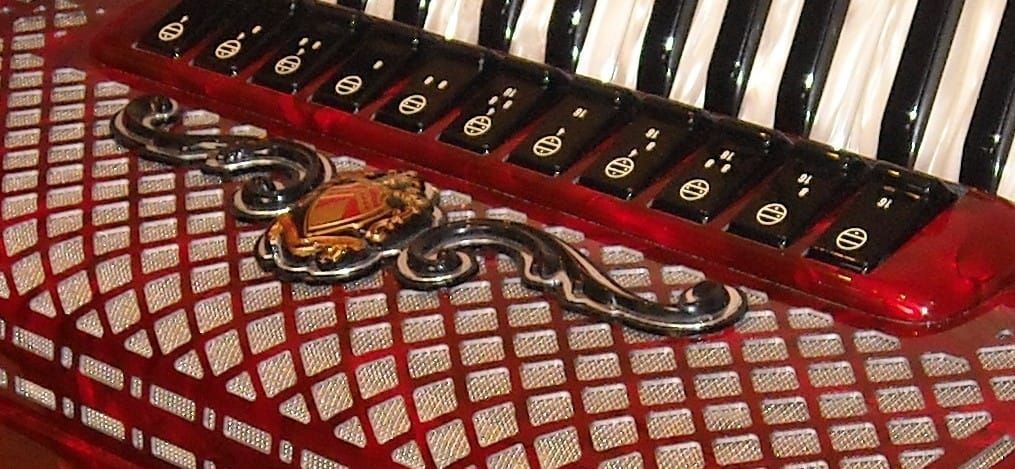
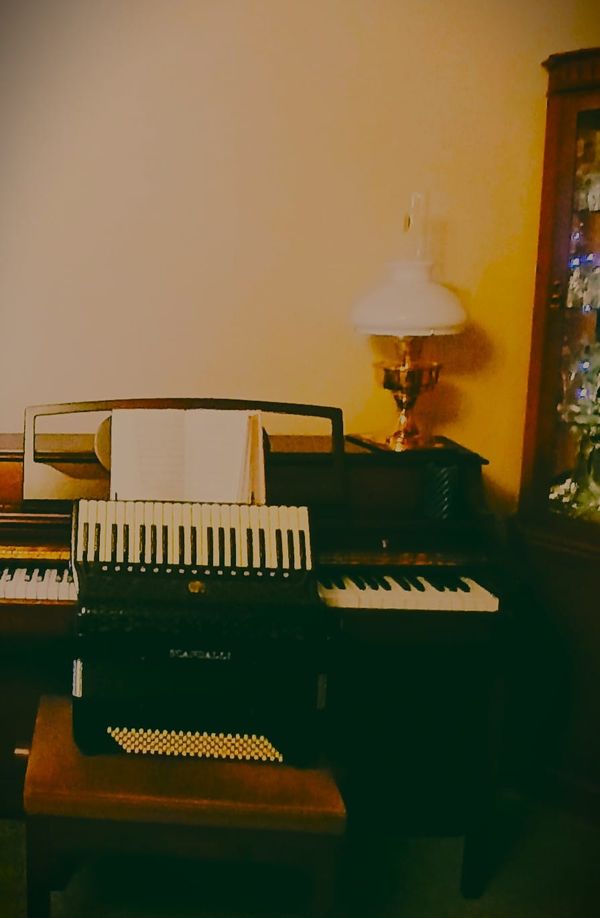
There are moments when hunger strikes, but everything on hand seems dull and uninspiring. You dig into the store cupboard, pushing aside the usual suspects until your fingers brush against a hidden gem, perhaps a slightly dusty tin of creamy rice pudding or pear halves suspended in sweet juice. Turning it over in your hands, you notice its impressive shelf life and imagine the treat inside tasting every bit as good as it looks. The hunt for the elusive tin opener begins, and after a few minutes of mild exasperation and a prayer to St. Anthony, it finally surfaces. After several satisfying turns of the handle, the cutting wheel does its work and with a final click, the contents are yours. Now picture something even sweeter than those pear halves; the music of an overlooked composer whose modest melody has beguiled me for months of daily practice. Armed with the right tin opener, like my free-bass accordion, whose range corresponds well to that of early English harpsichords and you unlock each note, savouring the fresh nuance of the piece in a way few others ever might.
Matthew Locke, born in 1621 in Exeter, England, was one of great Baroque composers of the Restoration period, holding prestigious appointments under King Charles II. Until recently, I hadn’t known his works, I stumbled upon them one day, and I’m so glad I did. In my search for something fresh to play, Locke’s music stood out above the rest. There’s something about him that draws me in. Though four centuries apart and hailing from opposite ends of the island, we had no reason to connect, yet his keyboard music has forged an unexpected link between us. His 'Country Dance' is tuneful, rhythmic, and feels instinctively familiar to my ear. I can appreciate the rural idyll woven through his notes. But beyond this charming folk-baroque style, Locke’s music does something deeper, it transports me to another time and place. When I play his piece on my accordion, I feel connected to the 17th century, as though I am travelling in a time machine. That delightful little 'Country Dance', published in 'Melothesia' in 1673, beats any tin of pear halves.

What's more, I can experience this tune in a new way. On harpsichord, the piece carries a regal, bright energy, its punchy harmonies glowing and leaping, but on the accordion it takes on a new spirit; earthy, grounded and robust. The accordion has a fullness that shapes every note in a way the harpsichord doesn't. It's voices like violin, woodwind, and organtone give new colour to Locke. To unlock Locke on the accordion has been one of the great musical treasures of my life. I hope you enjoy it.